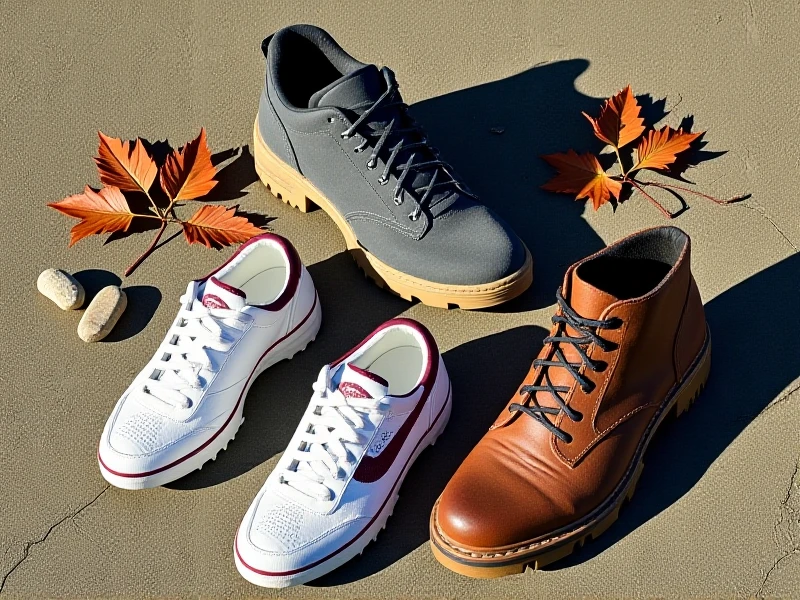
The Ultimate Guide to Finding Your Perfect Hiking Shoes
Choosing the right hiking shoes can make or break your outdoor experience. Whether you're tackling rocky trails, venturing through muddy paths, or enjoying gentle walks, your feet are your foundation. Investing in quality hiking shoes means investing in comfort, safety, and adventure longevity. With so many options on the market, understanding the key features is essential.
Traction is Paramount: When navigating uneven, slippery, or loose terrain, grip is non-negotiable. Look for aggressive, multi-directional lugs on the outsole made from durable, sticky rubber compounds like Vibram®. Deeper, widely spaced lugs shed mud effectively, providing consistent footing where you need it most. Your hiking shoes should feel secure on everything from wet tree roots to gravel.
Support and Stability Matter: Ankle stability and midsole support prevent fatigue and injury on long treks or carrying a pack. If tackling challenging, rocky trails or carrying significant weight, mid-cut or high-cut boots offer crucial ankle support. For lighter loads and easier trails, low-cut hiking shoes (sometimes called trail runners) provide greater agility and breathability without sacrificing essential underfoot stability. A supportive, cushioned midsole (often EVA foam) absorbs shock on descent.
Prioritize Durability and Protection: Rugged trails demand tough materials. Many high-performing hiking shoes use reinforcements like leather overlays, ripstop nylon panels, or abrasion-resistant synthetics (look for Cordura®). A protective toe cap shields your feet from unexpected rocks and roots, while a rock plate embedded in the midsole adds defense against sharp protrusions underfoot.
Don't Compromise on Waterproofing & Breathability: For wet conditions, waterproof membranes like Gore-Tex® offer excellent protection, keeping feet dry while allowing sweat vapor to escape. However, if maximum breathability is your priority in dry, hot climates, ventilated, quick-drying non-waterproof shoes might be the better choice. Consider where you hike most often.
Always Fit for Performance: Fit is crucial. Always try hiking shoes on in the afternoon (when feet naturally swell), with the socks you intend to hike in, and ensure ample room (about a thumbnail's width) ahead of your longest toe to prevent bruising on descents. Your heel should be locked in place without slippage. Walk on an incline/decline if the store allows.
Taking time to find the perfect hiking shoes suited to your trails and load ensures comfort, reduces injury risk, and lets you focus on the scenery, not your feet. Break them in before a major hike! What features matter most to you on the trail? Share your experiences below.