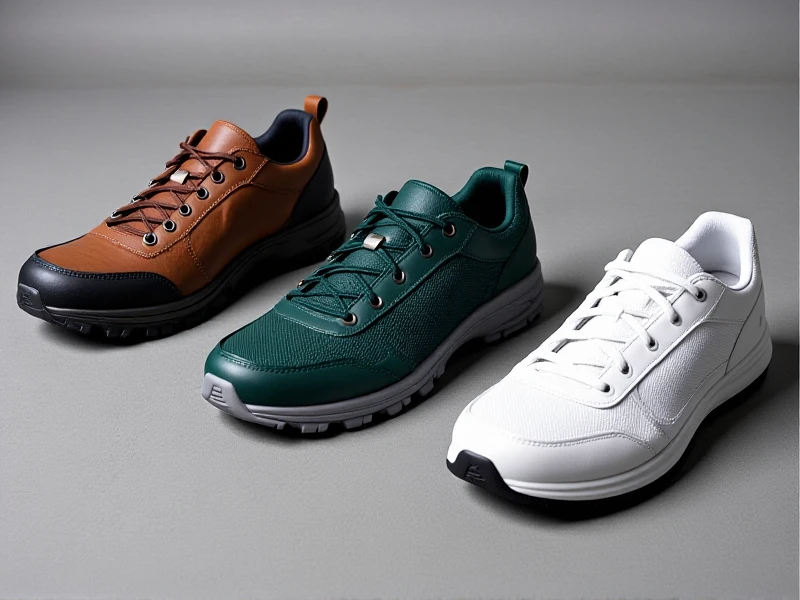
Unlock Your Trails: The Ultimate Guide to Choosing Hiking Shoes
Hiking adventures demand reliable footwear that blends comfort, durability, and protection. Whether trekking rocky ridges or forest paths, the right hiking shoes transform your outdoor experience. Unlike regular sneakers, they offer specialized features to tackle nature’s challenges.
Why Specialty Footwear Matters
Hiking shoes provide critical ankle support and shock absorption on uneven terrain. Their rugged outsoles deliver superior grip via deep, multi-directional lugs—vital for slippery slopes or loose gravel. Brands like Merrell and Salomon integrate waterproof membranes (e.g., Gore-Tex) to keep feet dry, while breathable mesh panels prevent overheating during strenuous climbs.
Types of Hiking Shoes
- Trail Runners: Lightweight and flexible, ideal for fast-paced day hikes on well-maintained trails.
- Mid-Rise Boots: Enhanced ankle stability for rocky or off-trail expeditions.
- Backpacking Boots: Sturdy construction with stiff midsoles for heavy loads and multi-day trips.
Key Selection Criteria
- Fit: Ensure a thumb’s width of toe space and secure heel lock. Test shoes with hiking socks on.
- Traction: Vibram® rubber soles excel on wet and dry surfaces.
- Water Resistance: Choose waterproof membranes for rainy climates, but opt for breathable designs in arid regions.
- Weight: Lighter shoes reduce fatigue on long journeys.
Extending Longevity
Clean shoes post-hike to remove debris that degrades materials. Avoid direct heat when drying—stuff with newspaper instead. Reapply DWR (durable water repellent) coatings seasonally. Rotate pairs to allow cushioning recovery, extending their lifespan to 500-800 miles.
Investing in quality hiking shoes prevents blisters, minimizes injury risks, and heightens trail enjoyment. Prioritize fit over trends—your feet navigate the journey! Explore reputable outdoor retailers for fittings to discover your perfect pair and conquer new horizons with confidence.
( 402)